
Estate of Mind
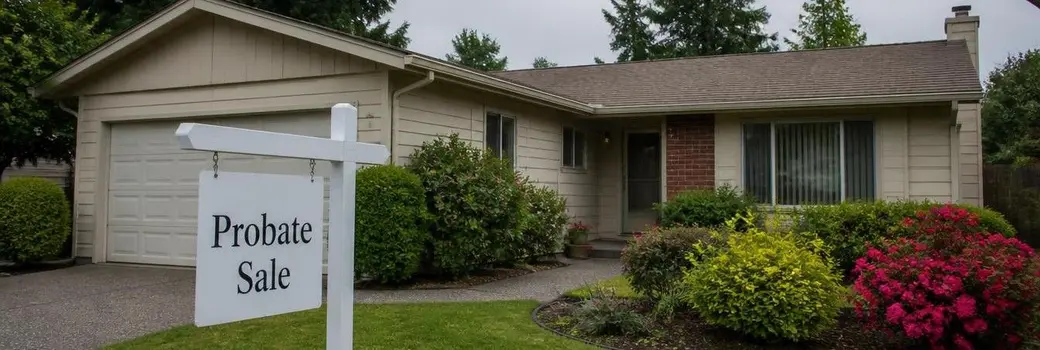
Over the years, I've helped clients with estate sales — the sale of real property when the homeowner or homeowners pass away. While the family mourns the loss of a loved one, I am brought in to assist a family with preparing a house for sale (real property). This does not include personal property or household contents.
Here are several ways a REALTOR can help you with an estate sale:
- Work alongside the personal representative.
A REALTOR who has done estate sales before knows the personal representative needs to complete certain steps prior to listing a property for sale like obtaining the death certificate and obtaining legal authority with the letters of administration. Once these items are obtained, the personal representative has the authority to act on behalf of the estate. If acting as the personal representative feels overwhelming or confusing, it may be worth obtaining the assistance of an estate attorney to provide guidance on the process and providing support through the process.
- Understand the carrying costs or mortgage situation.
Some personal representatives are knowledgeable of the estate's financial situation. If not, it may be wise to perform a title search to uncover any surprises. If there is a mortgage(s) on the property, the personal representative may need to act more quickly depending on the availability of funds to pay the mortgage plus carrying costs. Carrying costs are the ongoing, recurring expenses associated with owning a property, like property/hazard insurance, utilities (water, gas/electric, property taxes) and HOA fees. If there is no mortgage, the personal representative may have more flexibility depending on the carrying costs of holding the property. - Provide a market analysis to price the house.
It is important to understand the market dynamics and the potential range of value based on the condition of the house. We will look at the condition: a house that hasn't been updated in years, a house that has some updates (structural/mechanical or some cosmetic updates) or recently and fully renovated. We can discuss how the personal representative wants to sell the house: As Is condition with the estate/seller making no repairs or renovated/updated to improve the value of the home. Choosing how to sell the house will depend on the liquid funds available in the estate balanced with how much the family wants to do to the house.
- Know which repairs provide the best return on investment.
After looking at the value categories, we will discuss what repairs may need to be completed. Some houses have updates to major structural or mechanical systems like the roof, HVAC, windows, siding, plumbing or electric, while some do not. Some houses have been recently renovated while other houses have not been updated in years. We can discuss what items may provide the best return on investment and may make the house more marketable to buyers in the marketplace for that neighborhood.
- Coordinate contractors and vendors.
If you need contractors and vendors through the process, I have contractors like junk removal/clean out crew, contractors, plumbers, electricians, cleaners, etc. This may be helpful for those who don't live near the property or haven't sold a house in awhile. - Present marketing and sale options clearly.
How do we market the property? Listing the property in the MLS will have the broadest audience of buyers. We will discuss the marketing of the property and how to best feature the property.
If you're navigating this process with a family member's estate or you know someone who may need assistance in selling a home as part of the estate, I'm here to help. I understand how stressful and confusing this situation can be, and I’m ready to support you in making the decisions that work best for the estate.
Categories
- All Blogs (59)
- Buying Real Estate (9)
- Cleaning (11)
- Design & Decor (8)
- Events (10)
- Food (2)
- Garden (6)
- Home Improvement (6)
- Insurance (2)
- Maintenance/Repairs (13)
- Miscellaneous (10)
- Money (13)
- Newsletter (25)
- Organizing/Decluterring (11)
- Outdoors (11)
- Safety (8)
- Selling Real Estate (6)
- Taxes (3)
- Travel (7)
- Utilities (7)
- Weather/Environment (6)
Recent Posts

Spotlight: Loch Raven Reservoir

Two New Speed Cameras in Lutherville-Timonium

New Year, New You? | Need Your Input | Adopt a Pixel in the Universe
How to Get Your Garage Back

What You Need to Dump Now | Timing the Market | Art Show on 8/29

Clean these things when it's hot out | A new strategy for creating generational wealth | Summer fun
Clean Then Tumble Dry

Pro Cleaning Tips to Keep Your Car's Interior Spotless

Take a Book, Leave a Book, Share the Love
GET MORE INFORMATION

Jen Ward
Agent License ID: 625305