
When Holiday Loneliness Hits Older Adults
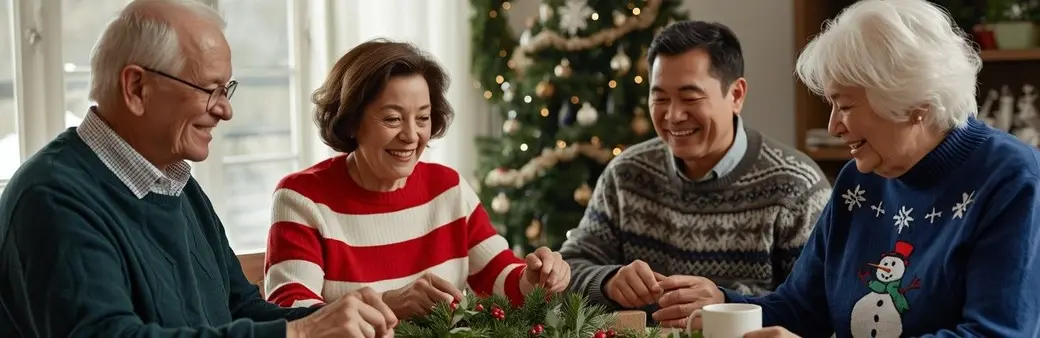
Every year I work with families who are selling a parent's home, and the holidays are often when they feel it the most, when memories of past gatherings come flooding back. The dining room where everyone squeezed in for Thanksgiving is staged and quiet. The ornaments are packed in boxes marked "donate" or "keep." For the person who lived there for 40 years, December can be a very lonely month, even with family nearby.
That feeling is more common among older adults than most of us realize. In 2024, the University of Michigan's National Poll on Healthy Aging found that 33% of adults ages 50 to 80 felt lonely some of the time or often, and 29% felt isolated. Holidays tend to sharpen those feelings. Psychologist Loren Soeiro wrote a piece for Psychology Today on why holiday loneliness hits so hard, and many of his points apply especially to seniors.
Why the season can feel so heavy
The holidays work like anniversaries. The first Christmas after losing a spouse, the first Thanksgiving without a lifelong friend, the first Hanukkah far from the family home: these days can bring loss into harsh focus. As we get older, those losses add up, and each season can carry a few more empty chairs.
There's also the pressure to be cheerful. We're told this is the most wonderful time of the year, so when it doesn't feel that way, it can feel like something is wrong with us. Children and grandchildren may live out of state or split the holidays between several households, and a phone call doesn't fill the house the way a full table did.
Winter itself makes it harder to get out. The sun sets before 5 p.m. in Baltimore for much of December, and many seniors prefer not to drive after dark. Add ice on the sidewalks and cold that keeps everyone indoors, and a week can go by with very little conversation.
When the house feels too big
I see this often in my work as a Certified Senior Housing Professional. A home that was perfect for raising a family can start to feel too large, too quiet, or too much to manage, and that feeling often peaks around the holidays. Too many stairs, a long driveway to shovel, and neighbors who have moved away can leave someone feeling out of place in a house they love.
If your home feels bigger or emptier at the holidays, it may be a sign that it's time to think about a move that better matches your needs, whether that's a smaller home closer to family or a community with neighbors and activities right outside your door. There's no rush, and it's a decision worth making with a clear head after the holidays.
If you've already made that move, give yourself some grace. It takes time to become comfortable in a new space and get to know new neighbors. The holidays may not feel the same as they did in the home where everyone gathered. That's a real loss, even when the move was the right decision.
Ways to stay connected
Soeiro's first suggestion is to adjust your expectations. You don't have to recreate every tradition or host the big dinner you've always hosted. A smaller gathering, a holiday brunch instead of a full feast, or a quiet day with takeout and a favorite movie is still a holiday.
He also recommends reaching out to "weak ties," the people you see regularly but don't know well. Wave to the neighbor walking their dog, compliment the flowers in the yard two houses down, or chat with the cashier at your regular grocery store. Those small exchanges add up to a real sense of belonging.
Baltimore County's senior centers are a great place to find company through the winter. The county runs about 20 centers, and membership is free for residents 60 and older (a few centers welcome members starting at 50). They offer classes, fitness programs, special events, and virtual programs for days when you'd rather stay home. Volunteering is another good option: libraries, hospitals, food pantries, and places of worship all need extra hands this time of year.
Video calls help, too. If the grandkids are far away, ask them to set up a weekly call, or read a holiday story together over FaceTime. And keep up the basics: sleep, hydrate, stay active, and eat reasonable meals (especially when holiday treats fill your home). Get outside in daylight when you can, even for a short walk around the block.
If the loneliness starts to feel like too much, talk to someone. Your doctor or a therapist can help, and you can call or text 988 any time to reach the Suicide & Crisis Lifeline.
For families and neighbors
If you have an older parent, relative, or neighbor, think about who might be alone this year. A widowed neighbor, an aunt who stopped driving at night, a longtime friend who just moved into a senior community. Offer a ride to a holiday service or a light display. Invite them to help bake, wrap gifts, or decorate, since being useful feels better than being entertained. A dinner invitation or a regular phone call can mean more than you'd guess. As Soeiro puts it, "you are not as alone as you feel."
I'm grateful for this community and for each of you. If you or a loved one is thinking about what the next home should look like, or you'd like ideas for getting connected in the area, call, text, or email me anytime.
Categories
- All Blogs (62)
- Buying Real Estate (9)
- Cleaning (11)
- Design & Decor (8)
- Events (11)
- Food (2)
- Garden (6)
- Home Improvement (6)
- Insurance (2)
- Maintenance/Repairs (13)
- Miscellaneous (11)
- Money (13)
- Newsletter (25)
- Organizing/Decluterring (11)
- Outdoors (11)
- Safety (8)
- Selling Real Estate (6)
- Taxes (3)
- Travel (7)
- Utilities (7)
- Weather/Environment (6)
Recent Posts







GET MORE INFORMATION
